Hearthstone
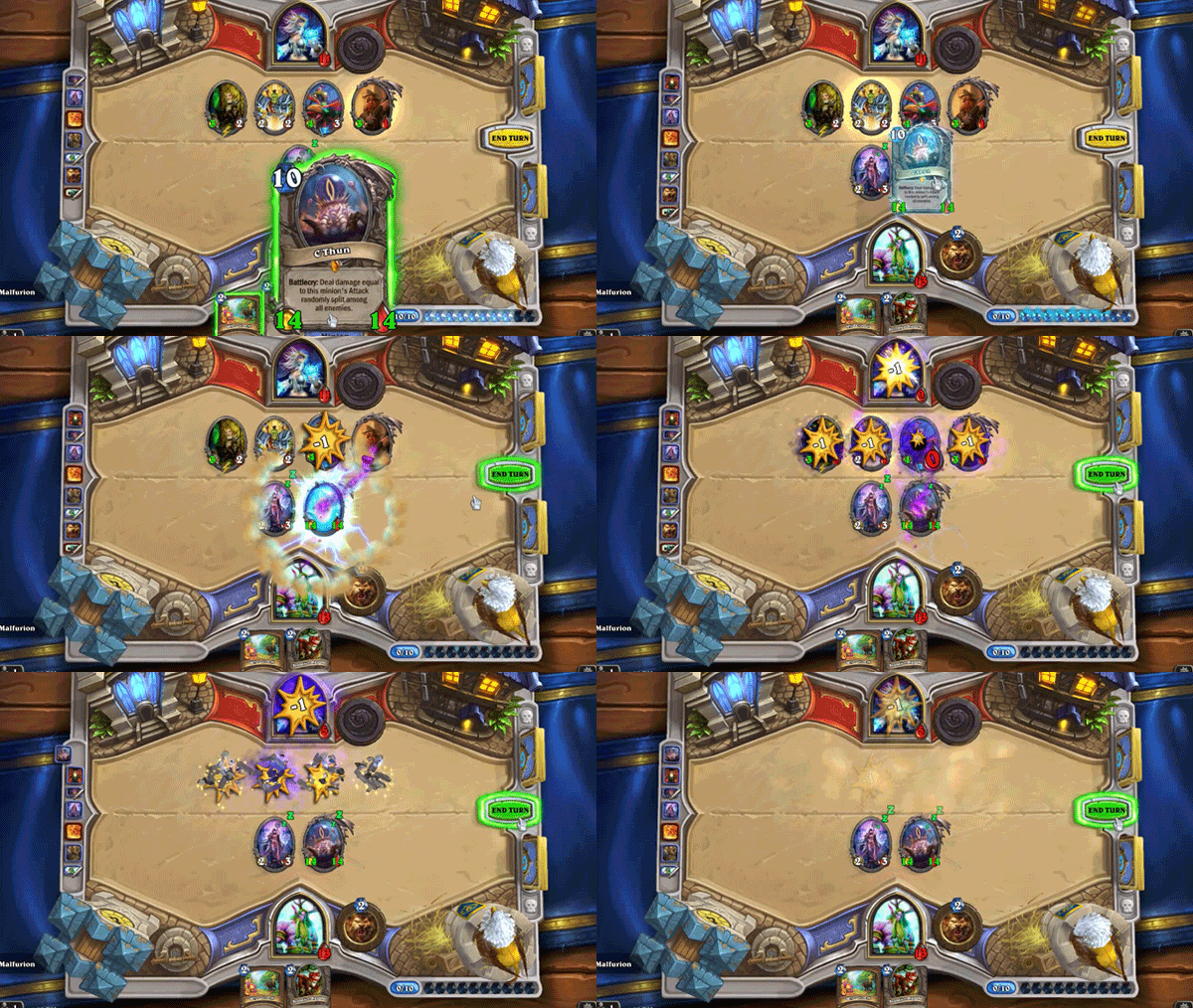
As a UI Artist, I worked on Hearthstone's game and interface design, UI art, and polish.
The Challenge
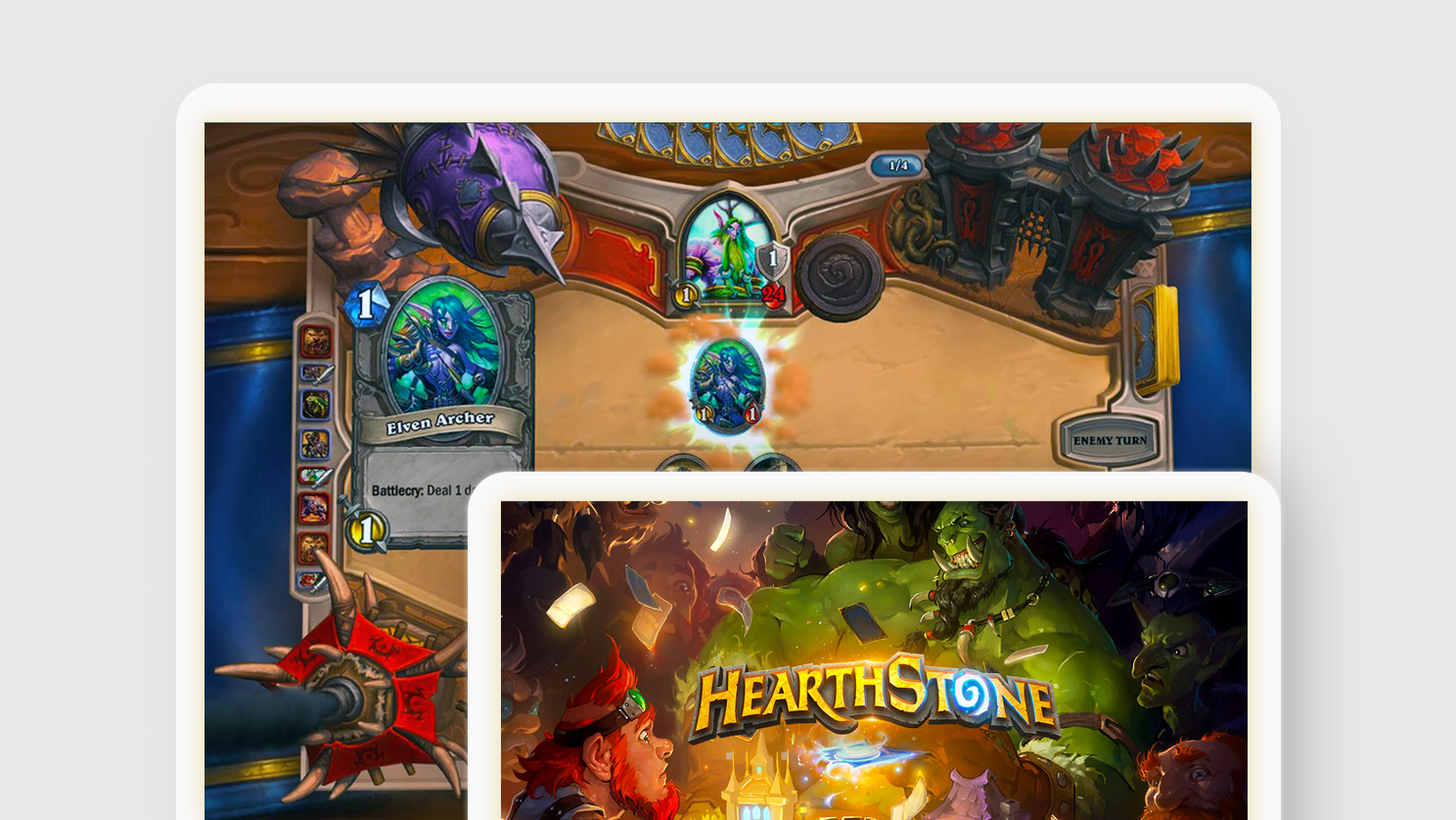
Hearthstone was Blizzard's experiment in something different: a free-to-play digital collectible card game built by a small, passionate team. Drawing from Warcraft's rich lore, it launched on PC and Mac before expanding to iOS and Android, with full cross-platform play. The ambition was to take a genre known for complexity and make it genuinely accessible.
The design philosophy was deliberately opinionated: no opponent actions during your turn, a tactile interface that mirrored the feel of handling physical cards, and a commitment to avoiding the complexity traps that made other card games intimidating. The challenge was translating that vision into a fluid digital experience across both desktop and mobile, each with very different interaction patterns.
The Approach
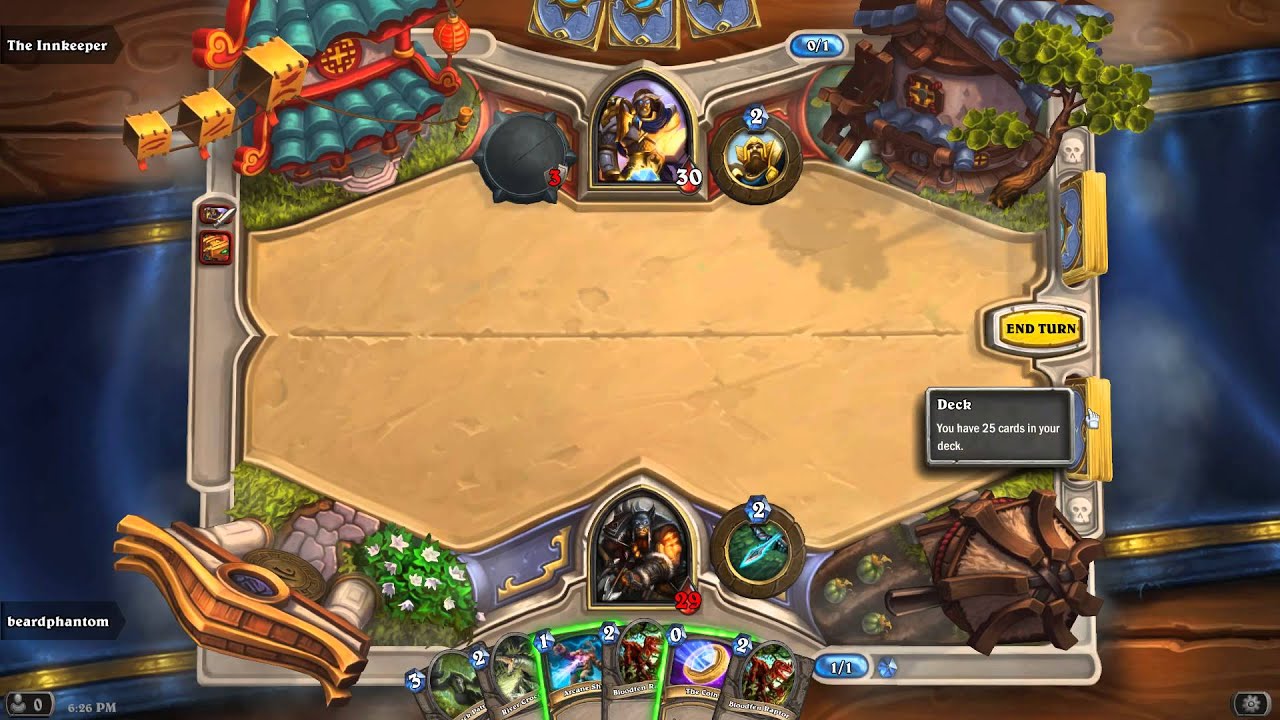
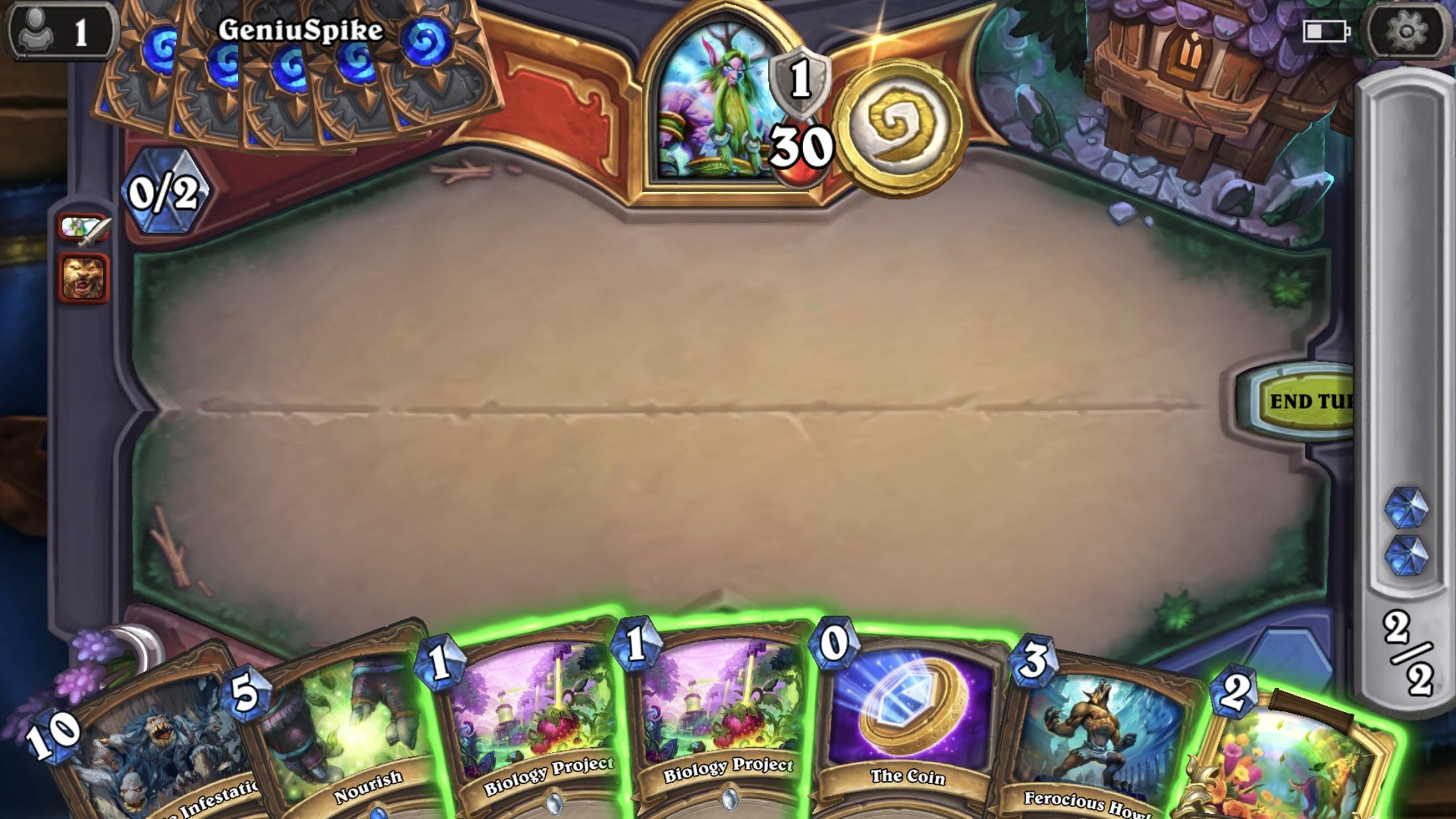
In a card game like Hearthstone, the interface is the game, so as a UI Artist my work was game design: designing screens, creating UI artwork, and polishing the details players touch on every turn.
The team designed for sessions you could fit into a lunch break, 15 to 20 minutes of meaningful play, and that constraint shaped card interactions, turn pacing, UI density, and feedback loops. The game started as PC-only, but early in development we saw the mobile opportunity and committed to it as a first-class platform.
Hearthstone became a landmark free-to-play strategy game. By 2018, Blizzard announced 100 million players and nearly 80 million total game hours, and the game still runs as part of Battle.net.